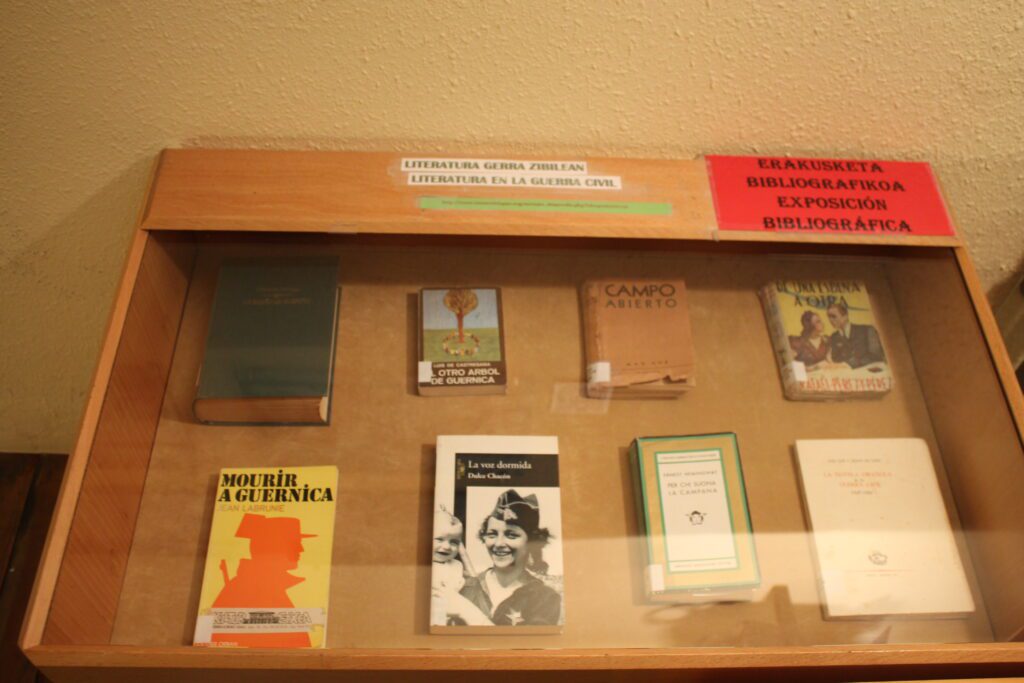
he bibliographical exhibition Literature in the Spanish Civil War shows a selection of books that reflect the impact that the Spanish Civil War has had on international literature…
Literature in the Spanish Civil War
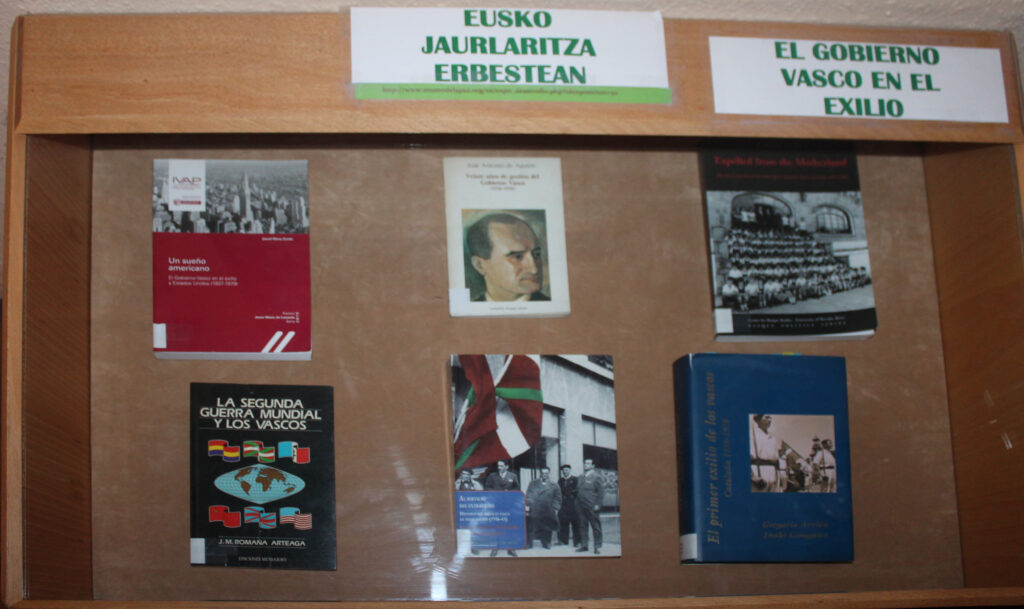
This time the exhibition is a selection of books concerning the role played by the Basque Government during the exile due to the Spanish Civil War (1936-1939)…
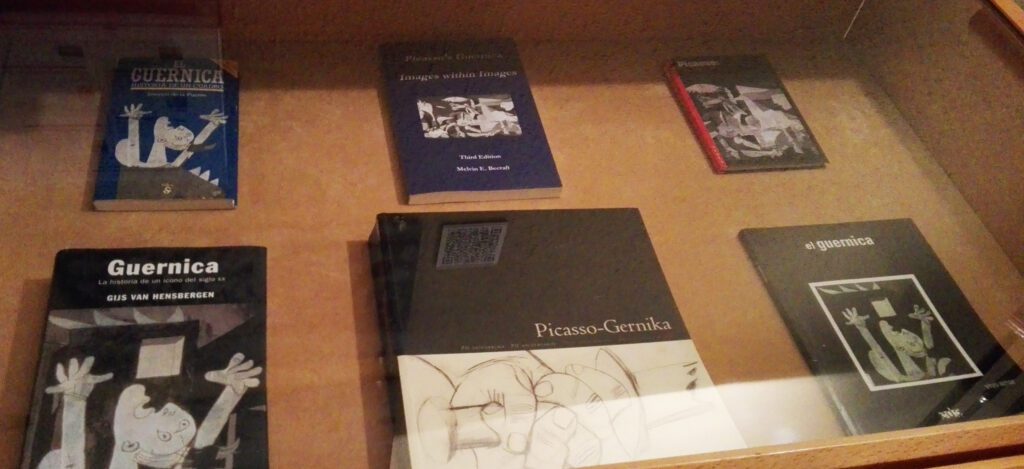
The Documentation Center on the Bombing of Gernika has opened, until next September 24, an exhibition of monographs on the ‘Guernica’ of Picasso.
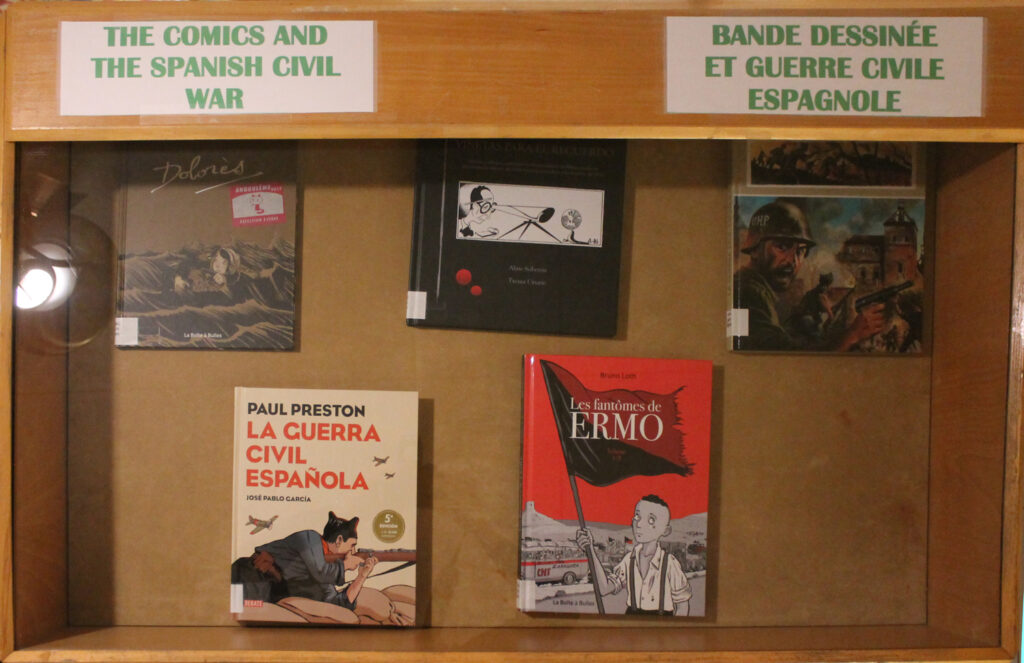
The bibliographic exhibition presents a selection of comic books on the Civil War…
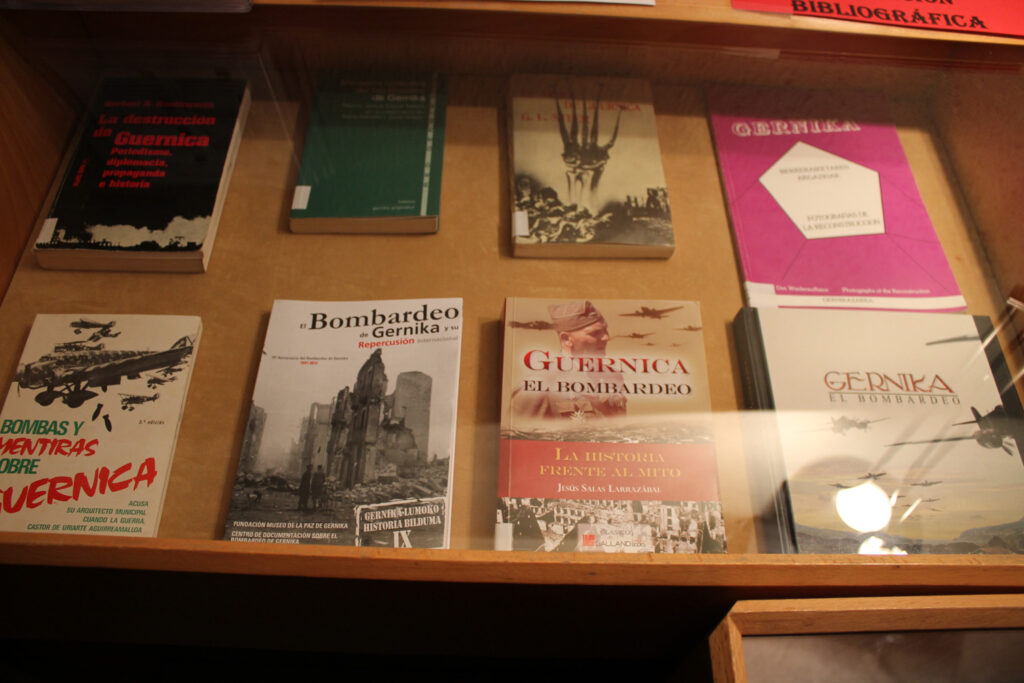
The bibliographic exhibition is made up of a selection of books on the bombing of Gernika belonging to different authors who have wanted to write the history of what happened…
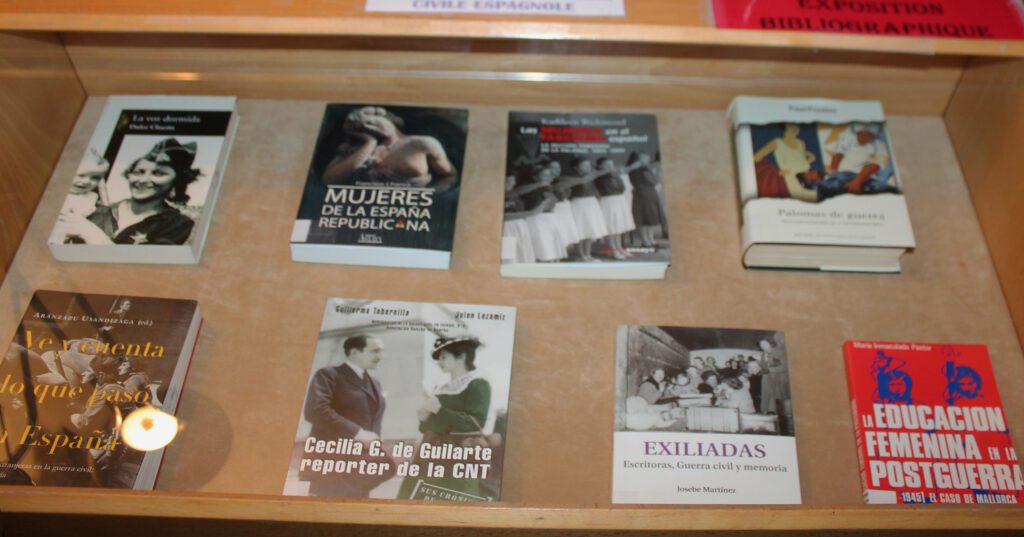
When the war broke out in July 1936, women’s life is profoundly transformed and even though the hard living conditions they played a political, social and military roles. So, they organized to grip arms, to work in weapon factories or become a war correspondents, contributing to the war effort…
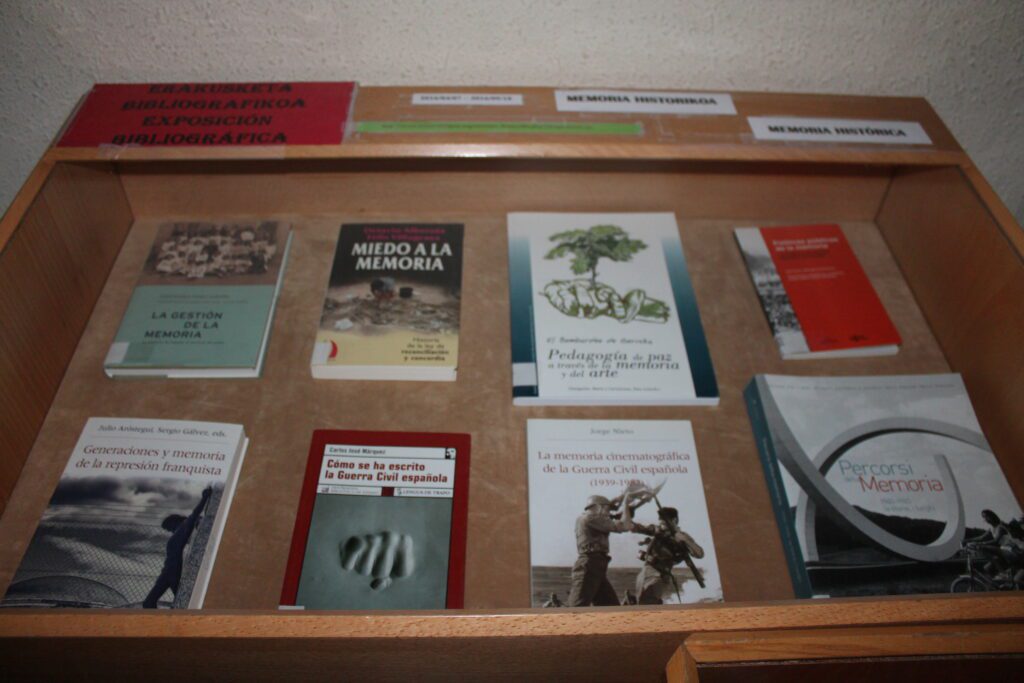
This time coincides with the 79th anniversary of the air bombardement of Gernika, for these reason, the museum presents a selection of books on Historical Memory…
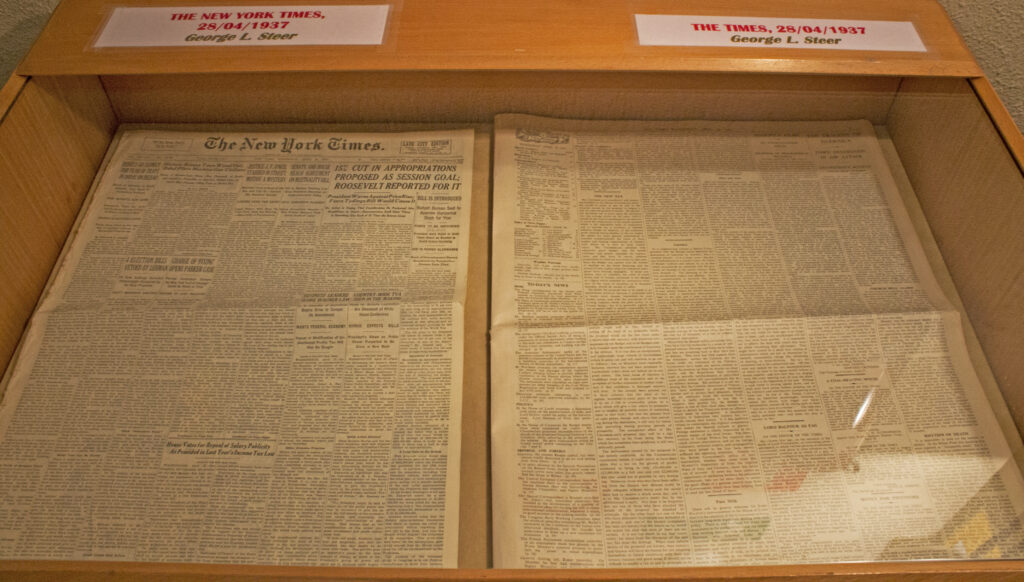
The exhibition Correspondents in the Spanish Civil War is a bibliographic exhibition that consists on a selection of books about this subject.
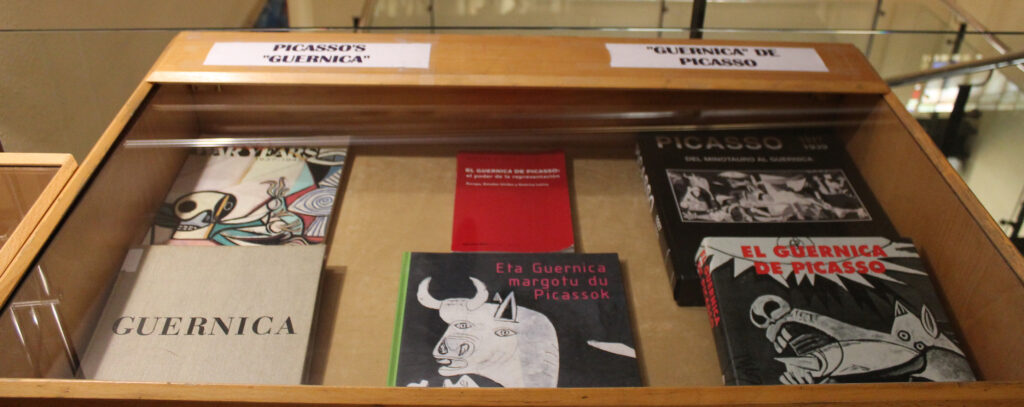
The Documentation Centre on the Bombing of Gernika has opened an exhibition of monographs on Picasso’s Guernica to coincide with the 50th anniversary of the painter’s death.
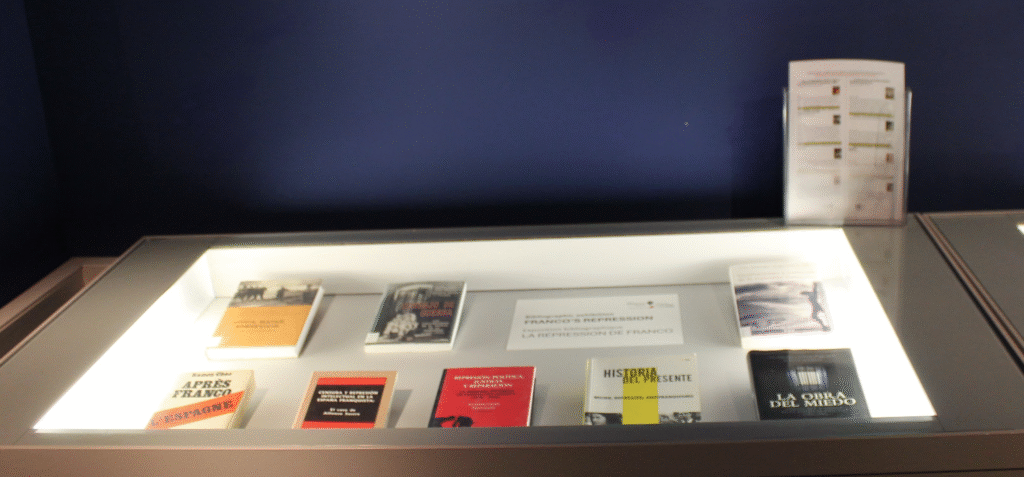
On this occasion, the Documentation Centre on the Bombing of Gernika presents a selection of books on Franco’s repression.
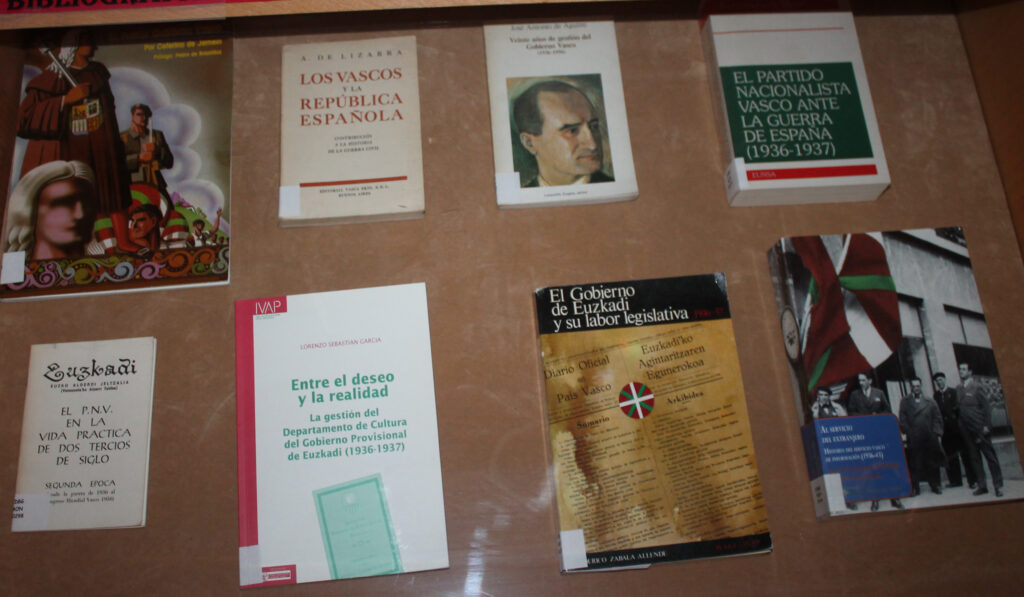
This time the exhibition is a selection of books concerning the behaviour of the Basque Government during the Civil War since the Statute was passing and the Basque Government was created until the conquest of Biscay by Franco’s army in June 1937…
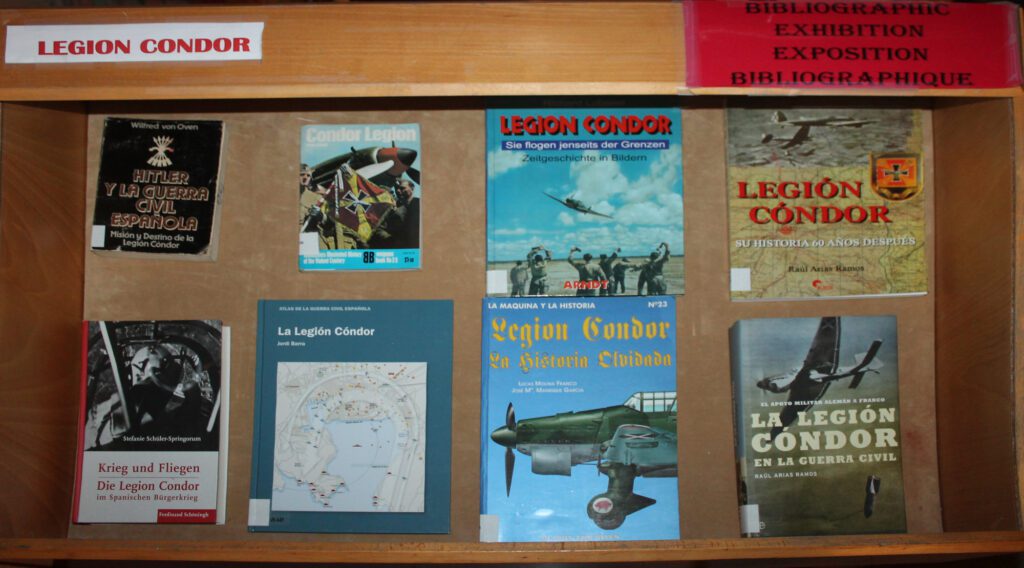
The support of the Condor Legion was decisive for the victory of General Franco in the Spanish Civil war. One of the objectives of this German military unit under the command of General Hugo Sperrle and whose Chief Colonel Wolfram von Richthofen, was to experiment with new methods and strategies of combat on what was already called in 1936 ‘The next war’, the Second World War.

Duración aproximada de la visita: 1 h 30 min
Entradas

Foru plaza, 1
E48300 Gernika-Lumo
Bizkaia, Euskadi.
